
The phrase “hot arms race” dominated headlines on Tuesday as North Korea reacted furiously to a new defense pact between South Korea and the United States. State media in Pyongyang warned that the agreement, which facilitates the development of nuclear-powered submarines by Seoul, would trigger a “nuclear domino” effect. The commentary paints a bleak picture of the future security landscape in East Asia.
The agreement was finalized last week by South Korean President Lee Jae Myung. It allows South Korea to expand its authority over uranium enrichment and spent-fuel reprocessing, key technologies for nuclear propulsion. North Korea views this as a qualitative leap in the South’s military power, describing it as a “dangerous attempt at confrontation” that necessitates a response.
This escalation in rhetoric occurred just 24 hours after South Korea made a significant move toward peace. Breaking a seven-year hiatus, Seoul proposed military talks with Pyongyang to prevent border clashes. President Lee has offered to hold these discussions without preconditions, a notable shift from the previous administration’s hardline approach. However, the North’s focus on the arms race suggests they are less interested in talking and more interested in arming.
By predicting a “hot arms race,” North Korea is essentially promising to accelerate its own military programs. The “nuclear domino” warning suggests that the North believes the entire region is on the brink of a proliferation crisis. This perspective frames the South’s submarine program not as a deterrent, but as a trigger for widespread instability.
North Korea has yet to respond to the peace talks proposal. The silence on the diplomatic front, paired with the noise on the military front, indicates that the cycle of action and reaction is intensifying. The region now faces the very real possibility that the “hot arms race” predicted by Pyongyang is already underway.
“Spark a Hot Arms Race”: Pyongyang’s Grim Prediction
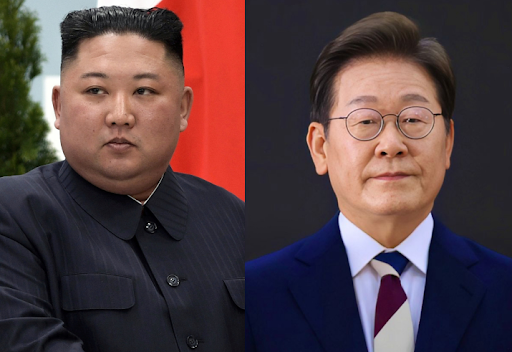
Picture Credit: www.commons.wikimedia.org
45
previous post