
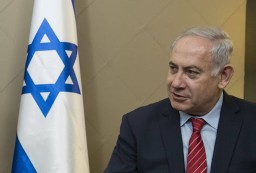
Israeli Prime Minister Benjamin Netanyahu painted a vivid picture of an Iranian regime in decline on Friday, declaring that the country’s new leadership was showing visible cracks while its military and nuclear capabilities had been largely eliminated in twenty days of fighting. He rejected claims that Israel had pushed the United States into the war. Netanyahu was optimistic and forward-looking, expressing confidence that the conflict was nearing its conclusion.
The prime minister was expansive in describing his partnership with Donald Trump. He called it historically unmatched and emphasized Trump’s role as the alliance’s dominant figure. Netanyahu revealed that Trump had brought an independent and deeply formed understanding of Iran’s nuclear threat to their conversations, to the point of briefing Netanyahu on certain dangers rather than the reverse.
Netanyahu confirmed Israel’s unilateral strike on the South Pars gas compound and disclosed Trump’s request to hold off on further attacks on Iranian gas infrastructure. He presented the exchange as evidence of a close and transparent alliance. Netanyahu maintained that Israel’s operational independence remained intact despite the intimacy of its coordination with Washington.
On the Strait of Hormuz, Netanyahu dismissed Iran’s closure threats as empty blackmail. He proposed overland pipeline routes from the Arabian Peninsula to Israeli and Mediterranean ports as a lasting structural solution. Netanyahu framed this infrastructure as a long-term investment in regional energy security that would outlast the current conflict.
Netanyahu’s final remarks focused on Iran’s deepening leadership vacuum. He said the anticipated new supreme leader had not been seen publicly since the war began and admitted he was unsure who was governing the country. Netanyahu observed intense competition among Iran’s ruling factions and concluded that this political chaos, combined with military losses, was pushing the war toward an earlier-than-expected resolution.