
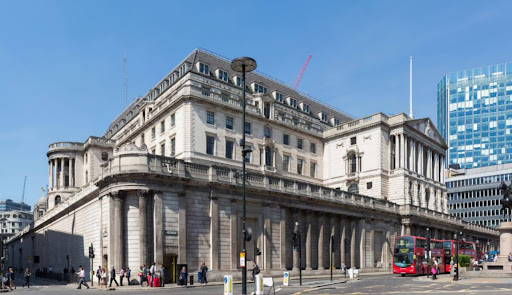
The Bank of England held interest rates at 3.75% on Thursday amid what analysts described as the most complex UK inflation outlook in years, shaped by the interaction of a domestic economy showing clear signs of slowing and a global energy shock triggered by the ongoing war in the Middle East. The monetary policy committee voted unanimously to hold while warning that the US-Israel conflict against Iran could push inflation above 3% and require rate hikes in the months ahead. The decision reflects the genuine difficulty of navigating monetary policy when domestic and external forces point in opposite directions.
Domestic conditions in the UK had been building a strong case for rate reductions. Unemployment had risen to 5.2%, its highest in five years, and wage growth had slowed sharply in the most recent data. These indicators would normally have prompted the Bank to ease monetary policy in order to support the economy. Instead, the war has changed the calculus by introducing a significant upside risk to inflation through global energy markets.
Governor Andrew Bailey described the situation candidly as one where the Bank could not simply follow the domestic economic data. The conflict had created an external shock that threatened to push inflation above target even as underlying domestic conditions argued for support. The Bank’s response was to hold, observe, and retain the option to tighten if necessary.
Financial markets interpreted the Bank’s statement as broadly hawkish. UK gilt yields rose, the FTSE 100 fell, and the pound gained against the dollar. Traders moved to price in rate hikes in June and again before year end, pushing five-year fixed mortgage rates to their highest levels since early 2025.
Within the monetary policy committee, the internal debate has been unusually candid. Some members had been leaning toward cuts before the war began, while others have flagged the risk that a prolonged energy shock could embed inflation in a way that would require significant policy tightening to reverse. The Bank’s next meeting will be a critical test of where the balance of committee opinion now lies.