
The Strait of Hormuz remains locked down as the Iran war enters its third week, creating a new week of deep uncertainty for US oil prices. Petroleum analyst Patrick De Haan has projected that the national pump average could reach $3.85 per gallon Monday, with $4 still on the table as a near-term possibility. The shipping blockade, combined with strikes on oil infrastructure, has created a supply crisis with no clear end date.
Before the US and Israel first struck Iran on February 28, American drivers were paying just under $3 per gallon for gasoline. Three weeks of escalating conflict have driven that average 23% higher to $3.70, a rapid increase that has left consumers and businesses scrambling to manage rising fuel costs. Every week of continued fighting appears to add another layer of pressure to global oil prices.
The US strike on Kharg Island last Friday directly targeted Iran’s oil export processing capability, further straining already constrained global oil supply. Iran’s refusal to reopen the Strait of Hormuz has blocked roughly 20% of the world’s daily oil traffic from reaching international markets. Brent crude moved between $103 and $106 per barrel Monday, while US crude fluctuated near $94 after briefly reaching $100 on Sunday.
California is at the epicenter of the domestic price crisis, with state averages above $5 per gallon and some Los Angeles stations charging over $8. Diesel costs for the commercial trucking and rail sectors could reach $5.15 per gallon nationally. White House officials have received urgent briefings from the CEOs of Exxon, Conoco, and Chevron, all of whom have warned about deepening supply risks and the potential for speculative trading to amplify price increases, with Exxon’s Darren Woods being particularly direct in his warnings.
Wall Street opened the week cautiously positive, with the S&P 500 gaining roughly 1% after oil prices temporarily softened. Oil company shares have reached all-time highs since the conflict began, benefiting directly from the elevated price environment. The broader economic picture, however, remains challenging as long as the Strait of Hormuz stays closed and the military campaign continues unabated.
US Oil Prices Face New Week of Uncertainty as Iran War Locks Down Hormuz Shipping
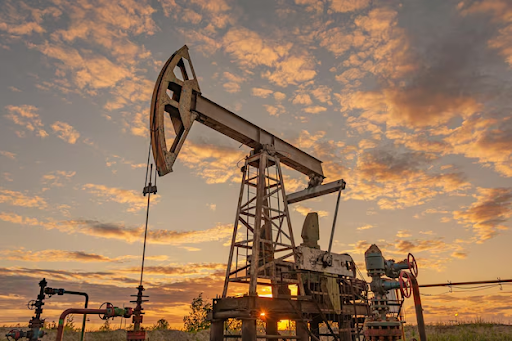
Photo credit: www.freepik.com
46