
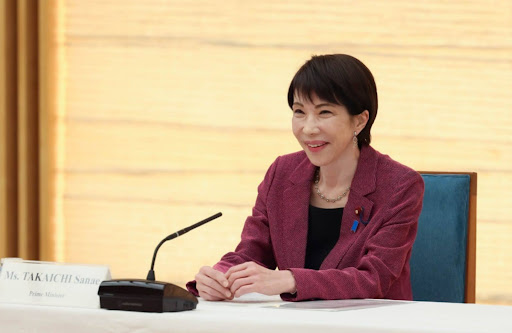
Japan has announced the biggest-ever drawdown from its strategic oil reserves — approximately 80 million barrels to domestic refiners beginning Thursday — alongside a dynamic subsidy system that will review and adjust fuel price supports on a weekly basis to keep gasoline accessible for households and businesses. Prime Minister Sanae Takaichi confirmed both measures as the government’s response to the US-Israel conflict with Iran disrupting Strait of Hormuz oil flows. The weekly subsidy review mechanism reflects a determination to remain responsive to rapidly changing market conditions.
The subsidy system was introduced after retail gasoline prices climbed to a record ¥190.8 per litre, with supports now set to cap costs at approximately ¥170. By reviewing these levels weekly, the government can increase support if prices rise further or reduce it if conditions improve, maintaining targeted and cost-effective consumer protection throughout the crisis. Trade ministry officials have described the weekly review as a key feature ensuring the program remains fit for purpose.
The reserve release component involves deploying 80 million barrels — equivalent to 45 days of national consumption, 1.8 times the previous Fukushima-era record — from Japan’s total reserves of approximately 470 million barrels. Japan sources over 90% of its crude oil from Middle Eastern producers, making the current Hormuz disruption an immediate supply threat. The reserve deployment is designed to bridge any supply gap while diplomatic efforts to restore normal shipping proceed.
Social media anxiety about shortages of toilet paper and other household goods has been a complicating factor, requiring active management from industry groups and government officials. The Japan Household Paper Industry Association confirmed that 97% of Japan’s toilet paper is made domestically from recycled materials, with no dependence on Middle Eastern supply chains. Officials urged calm purchasing based on accurate information.
Internationally, Japan’s response has been defined by constitutional restraint and diplomatic purpose. Takaichi declined Trump’s request for naval deployment to the Hormuz region, citing Japan’s postwar constitution, while pledging extensive multilateral diplomacy. Japan’s combination of dynamic price management, historic reserve deployment, and principled diplomacy represents a coherent and adaptive national strategy for managing this complex energy crisis.