
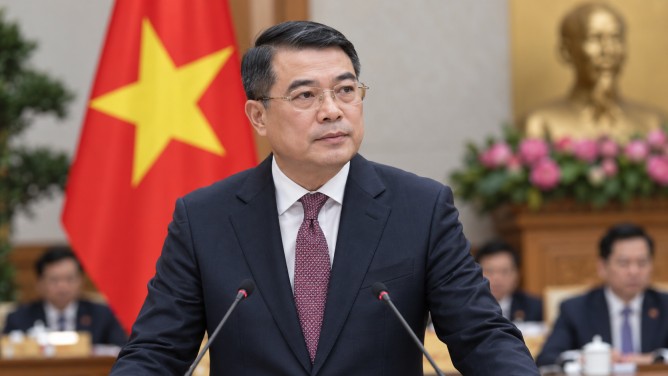
Vietnamese Prime Minister Lê Minh Hưng has mandated the Ministry of Industry and Trade to propose a comprehensive overhaul of the nation’s petroleum trading regulations by November 10, 2026. This directive, issued on October 21, aims to bolster fuel distribution, enhance supply security, and improve market transparency.
The ministry is tasked with collaborating with relevant government departments to finalize the draft decree, which seeks to streamline the petroleum market by reducing the number of major traders. The revision emphasizes strengthening these traders’ capacity to secure supplies and maintain reserves, alongside defining clearer responsibilities to avert fuel shortages.
These proposed changes intend to simplify the distribution network by eliminating unnecessary intermediaries and lowering operational costs, thereby fostering a more efficient and transparent petroleum market while minimizing disruptions during the transition.
A significant aspect of the reform involves revising fuel pricing mechanisms. Under the new framework, petroleum businesses would set and announce retail prices within their distribution networks using a government-established pricing formula, replacing the current benchmark-based system. Businesses would be required to declare price changes and inform authorities, who would ensure compliance and monitor market developments.
The draft regulations also propose safeguards against market manipulation, speculation, and unjustified price hikes, allowing authorities to intervene when necessary to stabilize the market and protect consumers. Additionally, the Ministry of Industry and Trade has been instructed to devise strategies to ensure uninterrupted petroleum supplies under all circumstances and coordinate with other agencies to prevent disruptions.
This initiative is part of Vietnam’s broader strategy to reinforce its petroleum regulatory framework, improve distribution efficiency, and secure national energy resources while transitioning towards a more market-oriented system under state supervision.